The Hidden Cost of Not Knowing Your Numbers

Running a business takes confidence, persistence and a willingness to make decisions—often before you have all the answers. But there is one area where guessing can become surprisingly expensive: your finances. Many business owners know approximately how their business is doing. They know what is in the bank account. They know sales have been busy lately. They have a general idea of their largest expenses.
But there is a big difference between feeling like your business is doing well and actually understanding what the numbers are telling you. When your financial records aren't current and you don't have a clear picture of your revenue, expenses, profit and cash flow, the cost isn't limited to messy bookkeeping.
It can affect almost every decision you make.
1. You May Be Making Decisions Based on Your Bank Balance
One of the easiest mistakes to make is assuming that money in the bank equals profit. It doesn't. Your bank account might look healthy today, but some of that money may already be needed for:
- GST
- Payroll and source deductions
- Supplier invoices
- Credit card payments
- Loan payments
- Upcoming operating expenses
- Income or corporate taxes
A strong bank balance can create a false sense of security if you don't understand the obligations sitting behind it. Knowing your numbers allows you to look beyond today's bank balance and understand the actual financial position of your business.

2. You Could Be Working Harder Without Becoming More Profita
More sales don't automatically mean more profit. A business can increase its revenue substantially while its profit barely changes—or even decreases. Why?
- Expenses may be increasing alongside sales.
- You may be discounting too heavily.
- Certain products or services may have poor margins.
- Labour or operating costs may have increased.
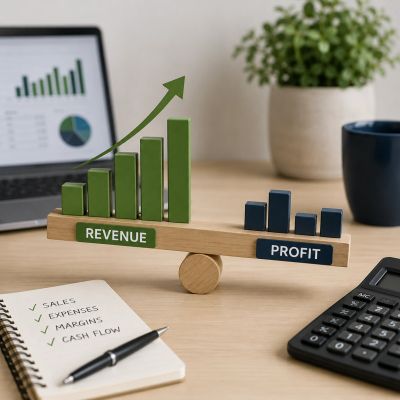
Without regularly reviewing your numbers, it can be difficult to see whether growth is actually creating more money for the business. Revenue tells you how much you're bringing in. Profit tells you how much you're actually keeping. Both matter.
3. Small Expenses Can Quietly Become Big Expenses
A $20 subscription doesn't seem particularly important. Neither does a small bank fee, an unused software program or an occasional unnecessary purchase. But businesses often accumulate dozens of these expenses. $50 here. $100 there.
Another monthly subscription you forgot about. Individually, they may not seem significant. Over a year, they can represent thousands of dollars leaving the business. Accurate bookkeeping makes spending visible.
And once it's visible, you can decide whether each expense is actually helping your business.

4. You May Be Underpricing Your Products or Services
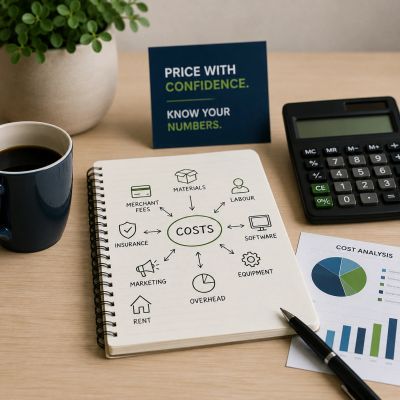
Pricing shouldn't be based solely on what competitors charge or what feels reasonable. You need to understand what it actually costs to operate your business. Consider everything that goes into delivering your product or service:
- Materials
- Labour
- Software
- Equipment
- Merchant fees
- Insurance
- Rent
- Marketing
- Professional services
- Administrative time
- Other overhead
If your prices don't adequately cover those costs and leave room for profit, you can be extremely busy without building a financially healthy business. Knowing your numbers gives you the information needed to price more strategically.
5. Cash Flow Problems Can Sneak Up on You
A profitable business can still experience cash flow problems. You might have thousands of dollars in outstanding invoices while struggling to cover expenses today. Or perhaps several large payments are coming due at the same time.
Cash flow is about when money enters and leaves your business, not simply whether your business is profitable. When you understand your cash flow, you can better anticipate shortages instead of reacting to them.
That can mean making adjustments weeks or months earlier rather than scrambling when the bank balance gets uncomfortable.

6. Unpaid Invoices Can Become Forgotten Revenue
You completed the work. You sent the invoice. But did the client actually pay it? When accounts receivable aren't monitored consistently, overdue invoices can easily slip through the cracks. One unpaid $200 invoice might not dramatically affect the business. But five, ten or twenty outstanding invoices certainly can.
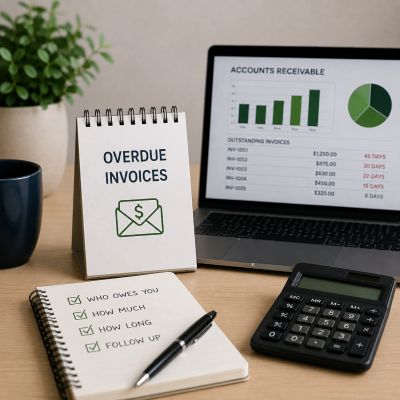
Your accounts receivable reports can help you see:
- Who owes you money
- How much they owe
- How long invoices have been outstanding
- Which customers require follow-up
Sometimes improving cash flow isn't about generating more sales. It's about collecting the money you've already earned.
7. Tax and GST Deadlines Become More Stressful
Few things create unnecessary business stress quite like trying to reconstruct months of financial activity before a filing deadline. Missing receipts. Uncategorized transactions. Unreconciled accounts. Questions about purchases from six months ago.
When bookkeeping is maintained consistently throughout the year, GST and tax preparation become much more manageable. You also have a better idea of what may be owed, allowing you to plan instead of being surprised.

8. You Can't Easily Identify What's Actually Working
Business owners constantly make investments. Advertising. Employees. Equipment. Software. New services. Inventory. Training. But which investments are actually producing results?
Your financial reports can help you identify trends that aren't obvious during the day-to-day operation of the business. Maybe one service generates considerably better margins than another. Maybe an expense category has increased dramatically. Maybe revenue is growing but profit isn't. Maybe certain months consistently experience cash flow pressure.
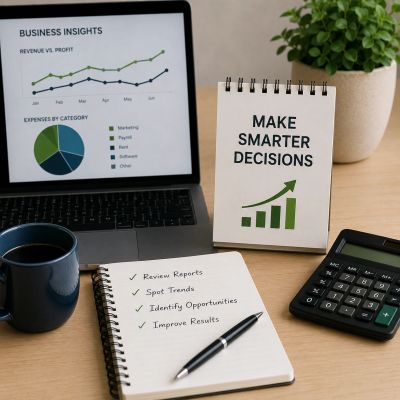
Good numbers turn assumptions into information. And information allows you to make better decisions.
9. Growth Becomes Harder to Plan
Growth requires resources. Before hiring someone, purchasing equipment, expanding into a new location or increasing your marketing budget, you need to understand what the business can realistically support.
That means knowing things such as:
- How profitable is the business?
- How much cash is available?
- What are your monthly operating expenses?
- How much debt does the business carry?
- How consistent is revenue?
- What happens during slower months?
Growth without financial visibility can create unnecessary risk. Growth backed by accurate numbers can be much more intentional.

10. You're Spending Mental Energy Wondering Where You Stand
There is another cost that doesn't appear anywhere on your profit and loss statement. Uncertainty. When you don't know exactly where your business stands financially, those unanswered questions tend to follow you around.
- Can I afford this?
- Did we actually make money last month?
- How much should I set aside?
- Why does the bank account seem lower than expected?
- Are expenses getting too high?
- Can I afford to hire someone?
Financial uncertainty takes up mental space that could be used for running and growing the business. Having organized, current financial information doesn't eliminate every difficult decision. But it gives you a much stronger foundation for making them.

The Numbers Every Business Owner Should Know
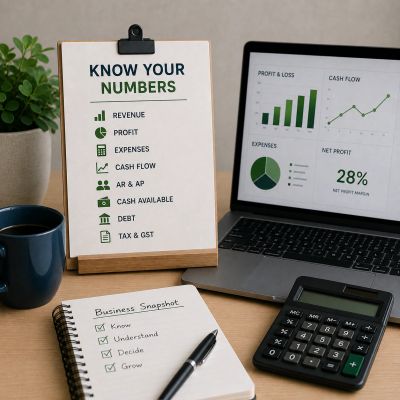
You don't need to become an accountant to understand your business finances. But there are several numbers worth reviewing regularly:
- Revenue
- Gross profit and gross margin
- Net profit
- Operating expenses
- Cash flow
- Accounts receivable
- Accounts payable
- Cash available
- Debt balances
- Tax and GST obligations
The goal isn't to stare at financial reports every day. It's to have reliable information available when you need to make decisions.